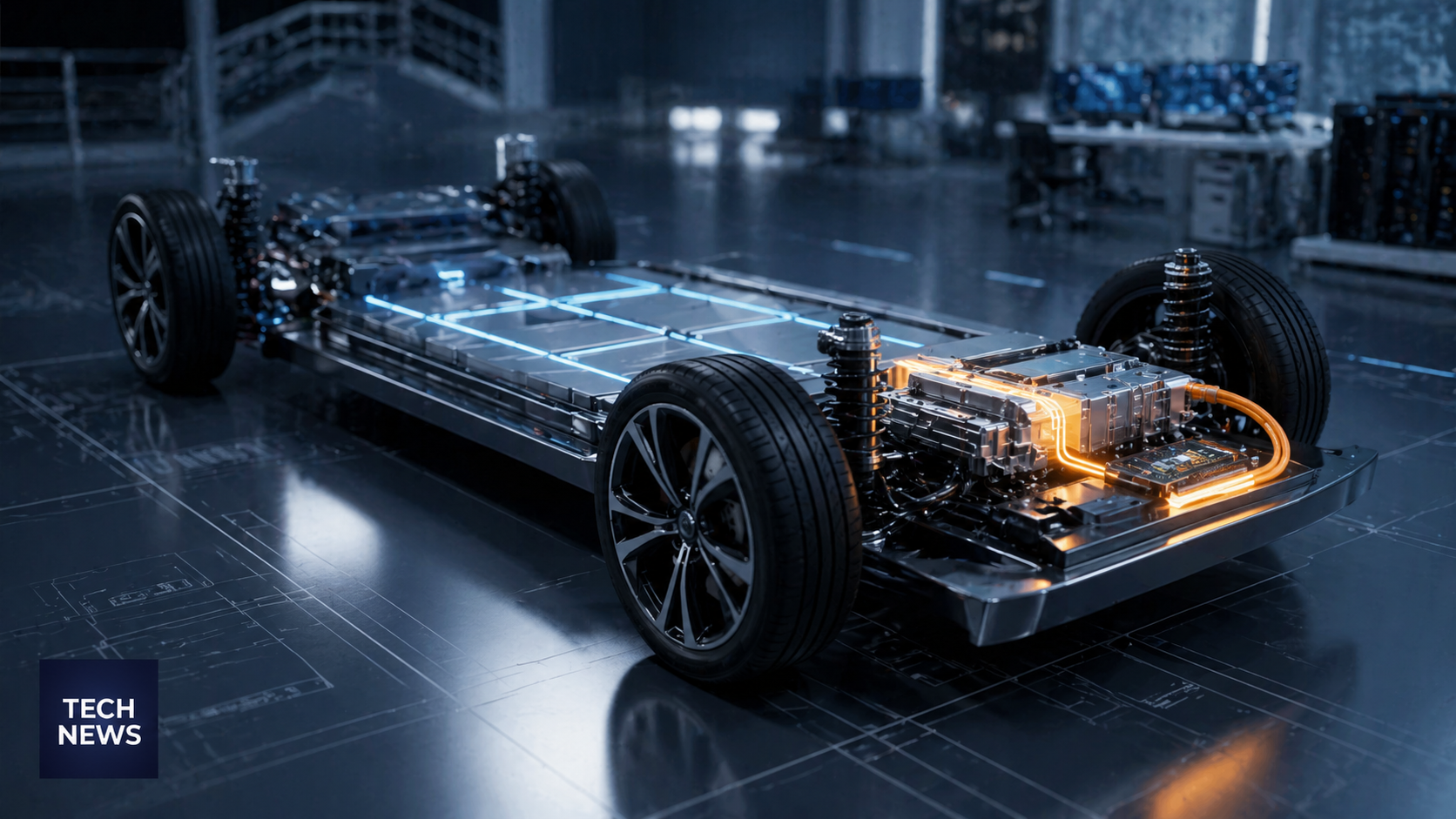
onsemi expanded its collaboration with NIO to support 900V EV platforms using EliteSiC technology for charging, range and performance gains.
onsemi announced on April 27, 2026, that it has expanded its strategic collaboration with electric vehicle manufacturer NIO to support the automaker’s transition toward next-generation 900V electric vehicle platforms using onsemi’s EliteSiC enhanced M3e technology. This development builds on a multi-year partnership and aims to accelerate NIO’s shift from the established 400V architectures to more advanced higher-voltage EV systems. The advancement reflects a growing industry trend toward optimizing powertrain efficiency and charging performance in electric vehicles.
The voltage level architecture in an electric vehicle directly influences the efficiency of power transfer between the battery, inverter, electric motor, and charging infrastructure. A higher voltage platform like 900V can potentially reduce electrical losses and thermal stress, enabling faster charging sessions and more robust driving performance. onsemi’s silicon carbide (SiC) technology in this context is designed to improve energy efficiency and thermal management, which are critical for enhancing EV range and reliability. However, the realised benefits depend on systemic integration including battery chemistry, inverter design, charger compatibility, thermal controls, and software.
Silicon carbide materials are increasingly adopted in power electronics for their superior performance under demanding electrical and thermal conditions. In EVs, SiC is particularly relevant within traction inverters that convert direct current from the battery into alternating current for the motor. onsemi describes its EliteSiC modules as offering lower switching losses and higher power density compared to conventional silicon devices, which can translate into better inverter efficiency and reduced heat generation.
This collaboration signifies not just a supply agreement but a deeper engineering alignment between onsemi and NIO to co-develop powertrain components geared toward the next generation of EVs.
At the 2026 Beijing Auto Show, NIO showcased its latest product portfolio including three brands—NIO, ONVO, and firefly—featuring 11 vehicle models and 12 proprietary technologies. Notably, the ES9 executive SUV made its auto show debut, with deliveries planned to begin in late May. onsemi’s EliteSiC technology is confirmed to support the ES9 and additional new models incorporating 900V platforms as part of this collaboration.
Beyond the technical aspects, the partnership illustrates a broader trend in the electric vehicle industry where semiconductor suppliers play an increasingly pivotal role in vehicle performance. Higher voltage architectures reduce current for a given power output, aiding thermal management and making fast charging more feasible under compatible infrastructure. Silicon carbide devices are key enablers of these improvements, reflecting elevating complexity and sophistication in EV power electronics.
Despite this progress, the partnership announcement does not disclose commercial specifics such as contract scale, production volumes, or precise timelines for model rollouts. nor does it provide independent verification of range or charging speed improvements in customer vehicles. Therefore, claims regarding performance should be viewed as tied to platform technology goals rather than guaranteed outcomes available to all drivers immediately.
For consumers, the practical impact will emerge through how quickly and extensively NIO implements 900V platforms across its fleet and how well the supporting charging infrastructure and battery systems are optimized. For the wider industry, the collaboration underscores the growing interdependence between vehicle makers and semiconductor innovators as electric vehicles become more software-driven and reliant on energy-efficient power conversion.
The coming months will be critical to assess whether these technical advances translate into tangible benefits in everyday driving scenarios, such as shorter charging times, longer driving ranges, and improved vehicle responsiveness under typical use conditions.