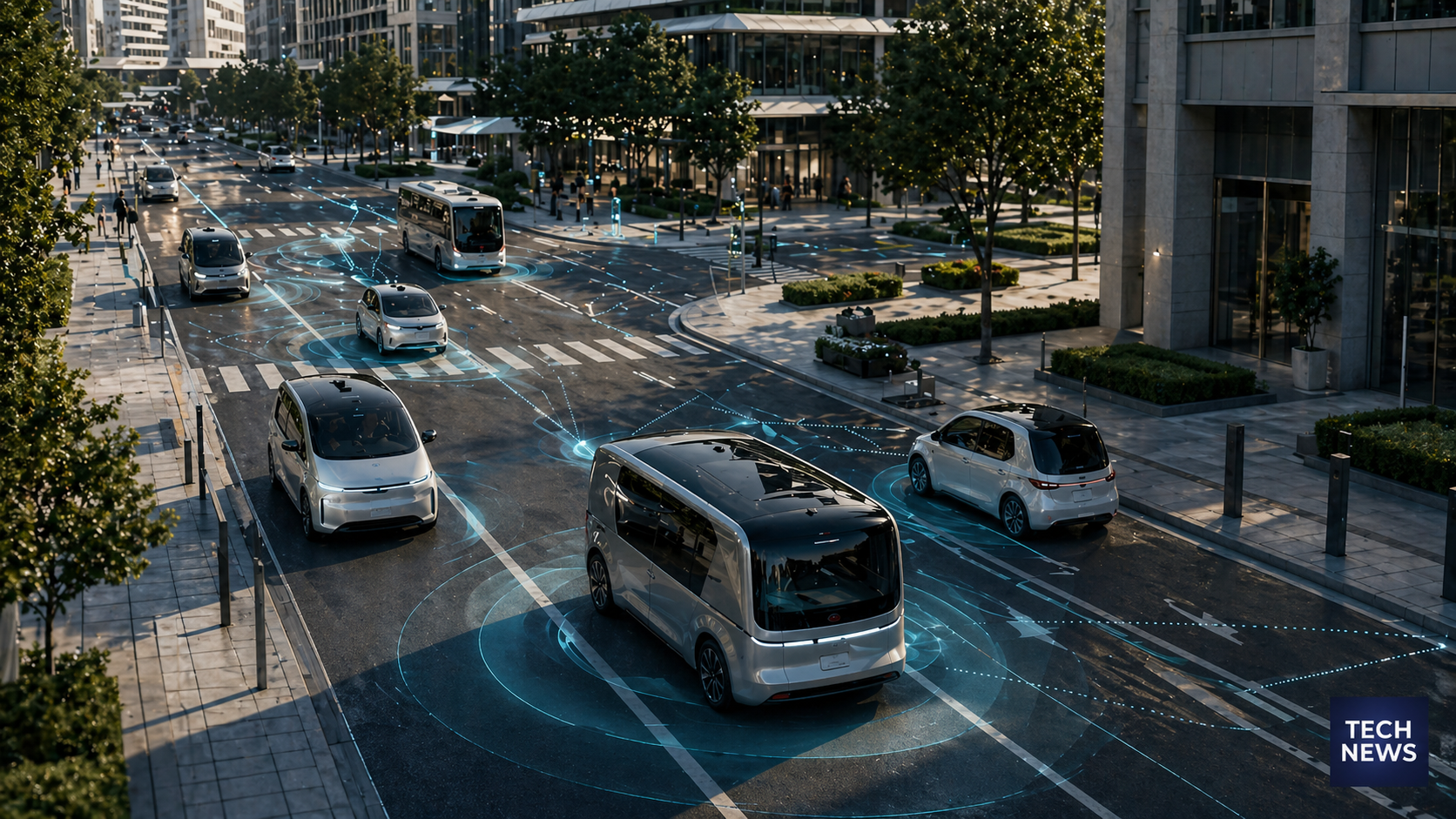
WeRide and Lenovo plan 200,000 autonomous vehicles over five years, signaling a push to commercialize Level 4 mobility at scale.
WeRide announced on April 27, 2026, an expanded collaboration with Lenovo aimed at deploying 200,000 autonomous vehicles globally over the coming five years. The initiative, unveiled at Auto China 2026, targets commercializing Level 4 autonomous driving technology—where vehicles operate without human intervention within specific environments and operational conditions.
This ambitious vehicle target signals a shift from isolated pilots and small-scale tests toward industrial-scale deployment. Such scale elevates challenges beyond software development to include vehicle computing hardware, supply chain logistics, operational costs, regulatory approvals, and fleet maintenance. For cities, operators, and passengers alike, the key question is whether autonomous fleets can reliably integrate into daily transportation systems.
WeRide and Lenovo intend to merge their autonomous technology with Lenovo’s expertise in manufacturing, computing infrastructure, and supply chain management. This collaboration is positioned as a step toward establishing a global ecosystem for autonomous driving covering technology, computing platforms, and vehicle operations. Lenovo’s communications emphasize moving beyond pilot projects toward scalable urban transport solutions.
The plan’s potential civilian impact includes expanded mobility access through robotaxis, enhanced fleet economics, and the integration of autonomous technology into public-service vehicles such as minibuses and sanitation trucks.
Extending beyond passenger transport, the partnership plans to advance Level 4 autonomous minibuses and municipal service vehicles, pointing to broader urban mobility applications. This represents a meaningful expansion of autonomous vehicle use cases in public and commercial services.
The announcement comes amid significant focus on intelligent driving at Auto China 2026, where the industry context underscores the shift toward autonomous driving as a comprehensive industrial ecosystem that involves hardware, software, regulation, and urban infrastructure.
It is important to note that the 200,000-vehicle figure is a forward-looking deployment goal starting in 2026, not a current fleet size. The companies have not released detailed deployment plans including city-specific schedules, regulatory approvals, or commercial operating models. Level 4 autonomy remains conditional on authorization in limited service areas, and operational economics continue to be tested in various markets.