South Korea launched CAS500-2 on Falcon 9, expanding civilian Earth observation capacity for mapping, disaster response and agriculture.
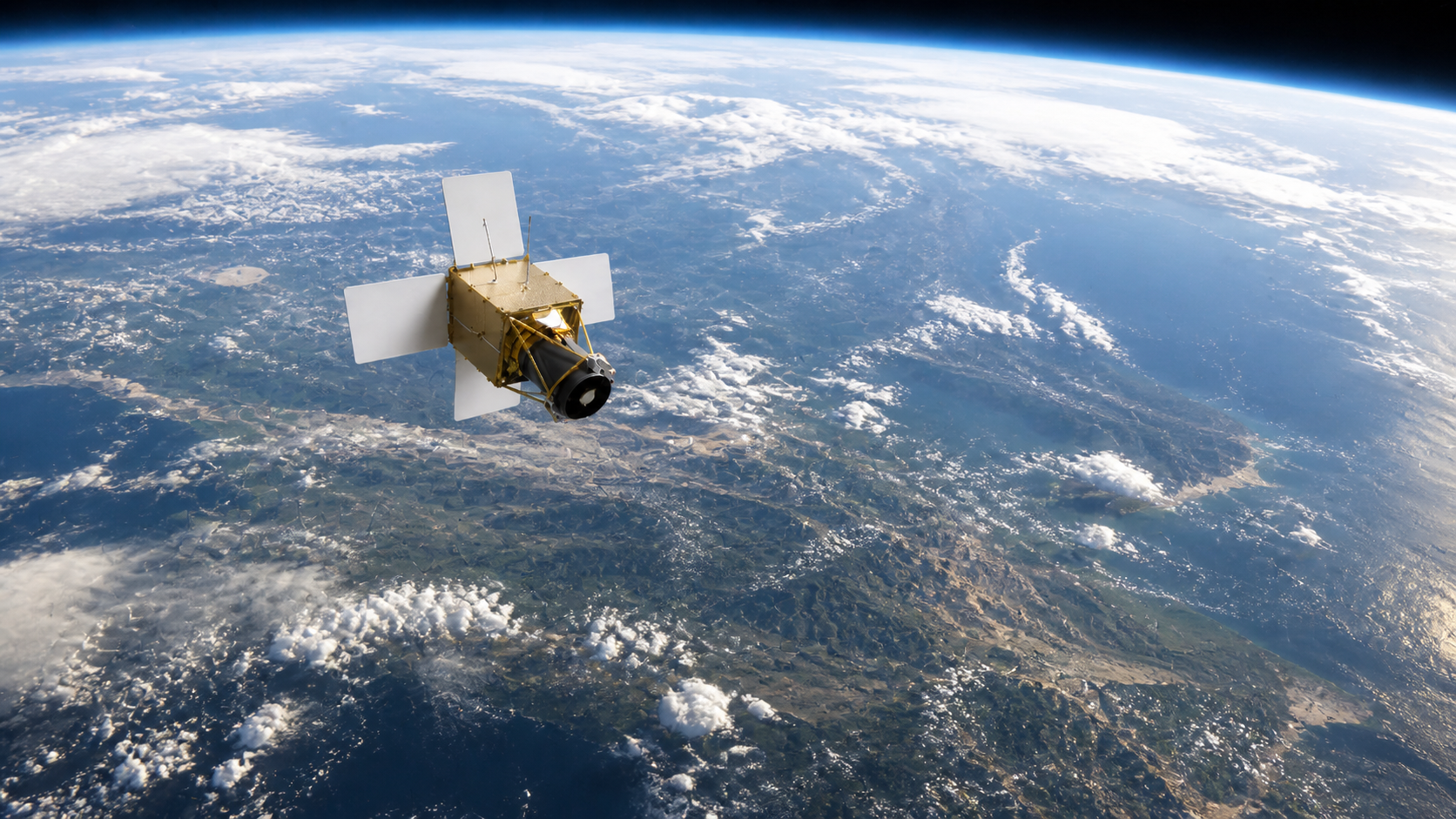
South Korea has successfully launched its next-generation civilian Earth observation satellite, CAS500-2, aboard a SpaceX Falcon 9 rocket from Vandenberg Space Force Base in California on May 3, 2026. This marks a significant addition to South Korea’s capacity for high-resolution land monitoring, disaster response, and agricultural observation. The mission lifted off at 0700 UTC and the satellite entered low-Earth orbit approximately one hour later, establishing first contact with a ground station in Norway shortly thereafter.
The deployment of CAS500-2 matters because Earth observation satellites are increasingly integral to modern civilian infrastructure. Their data underpin mapping services, emergency planning, environmental monitoring, agricultural management, and commercial geospatial applications. While this satellite’s operation will not be directly visible to everyday consumers, its imagery and data will support services that impact urban planning, disaster relief efforts, farming decisions, and infrastructure development.
CAS500-2 weighs approximately 534 kilograms and belongs to South Korea’s 500-kilogram-class midsized satellite program, designed for high-resolution optical imaging. It captures black-and-white images at a 0.5-meter resolution and color images at a 2-meter resolution, facilitating detailed observation of land features. Its mission includes monitoring natural disasters and agricultural land use.
South Korea’s successful launch of CAS500-2 signifies the country’s growing capability in civilian space infrastructure and its increasing collaboration with commercial launch providers.
The satellite’s operational phase will begin with a four-month initial checkout period, after which CAS500-2 is planned to work in conjunction with its predecessor, CAS500-1, enhancing South Korea’s overall earth observation capacity.
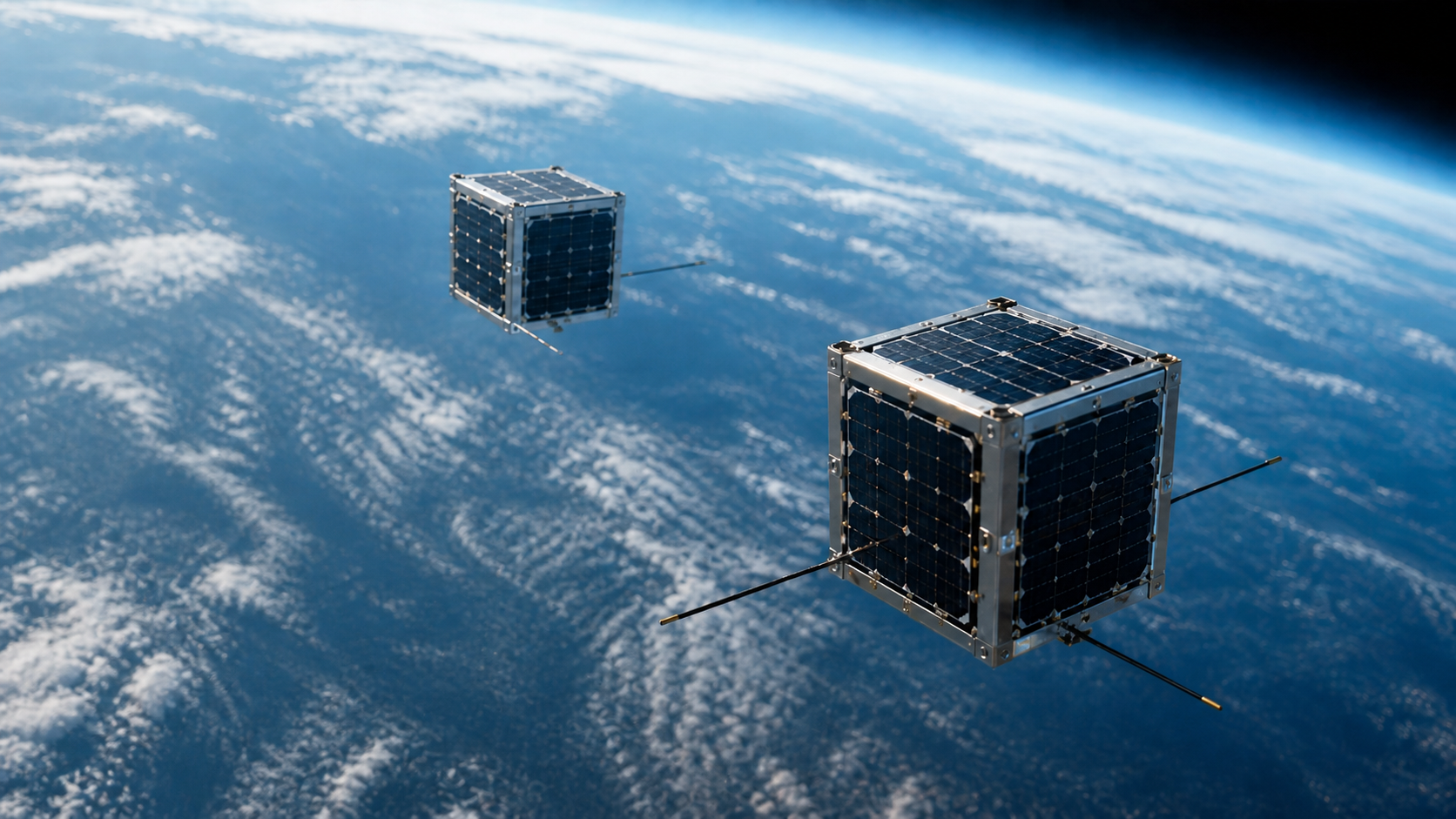
CAS500-2’s mission also highlights the growing trend of national satellite programs employing commercial launch services. The Falcon 9 rocket carried CAS500-2 as the primary payload alongside 44 secondary rideshare payloads, demonstrating the cost-effective utilization of commercial orbital access to advance national space programs.
Looking ahead, the central question is whether CAS500-2 will transition smoothly from its early operational phase to long-term service. Should it perform reliably over time, the satellite will significantly contribute to the expanding global network of Earth observation assets, enabling enhanced disaster preparedness, environmental stewardship, and agricultural modernization for South Korea and its partners.