Google’s TPU 8t and TPU 8i separate AI training from inference, signaling a shift toward specialized cloud hardware for agentic AI workloads.
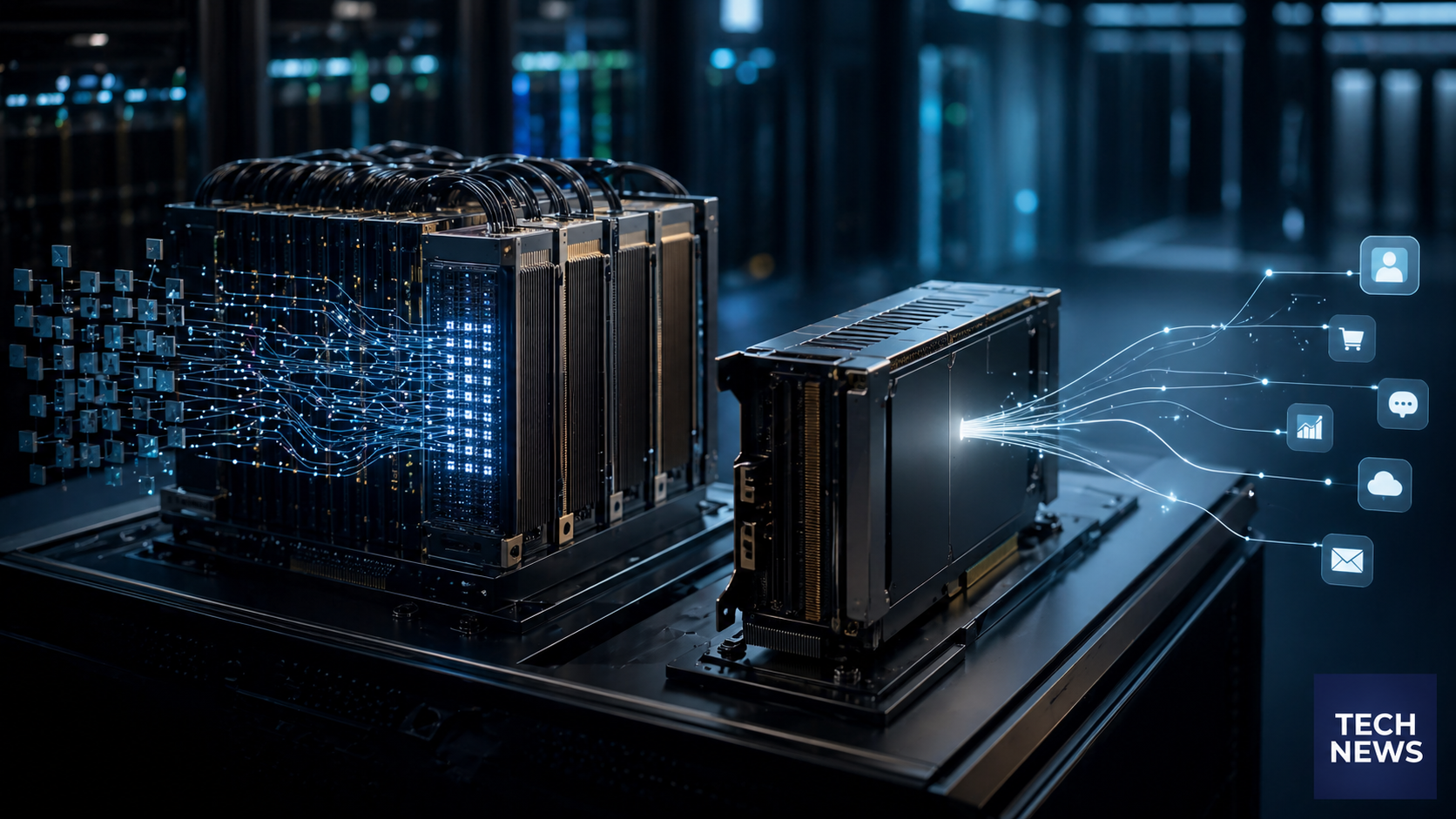
Google has introduced its eighth generation of custom Tensor Processing Units as two specialized chips: TPU 8t for large-scale AI training and TPU 8i for inference, the computing process that serves AI responses after a model has been trained. The announcement marks a clear split in Google’s AI chip strategy, separating the hardware used to build frontier models from the hardware used to run them for users and businesses.
This division is significant because the economics and operational demands of artificial intelligence are increasingly shaped by infrastructure capabilities. As AI systems evolve from simple chatbots toward more sophisticated agents capable of reasoning, tool use, maintaining context, and coordinating multi-step tasks, cloud providers face growing pressure to make these workloads faster, cheaper, and less energy-intensive. Google asserts that TPU 8t and TPU 8i are designed specifically for these distinct demands rather than treating training and inference as a single computing problem.
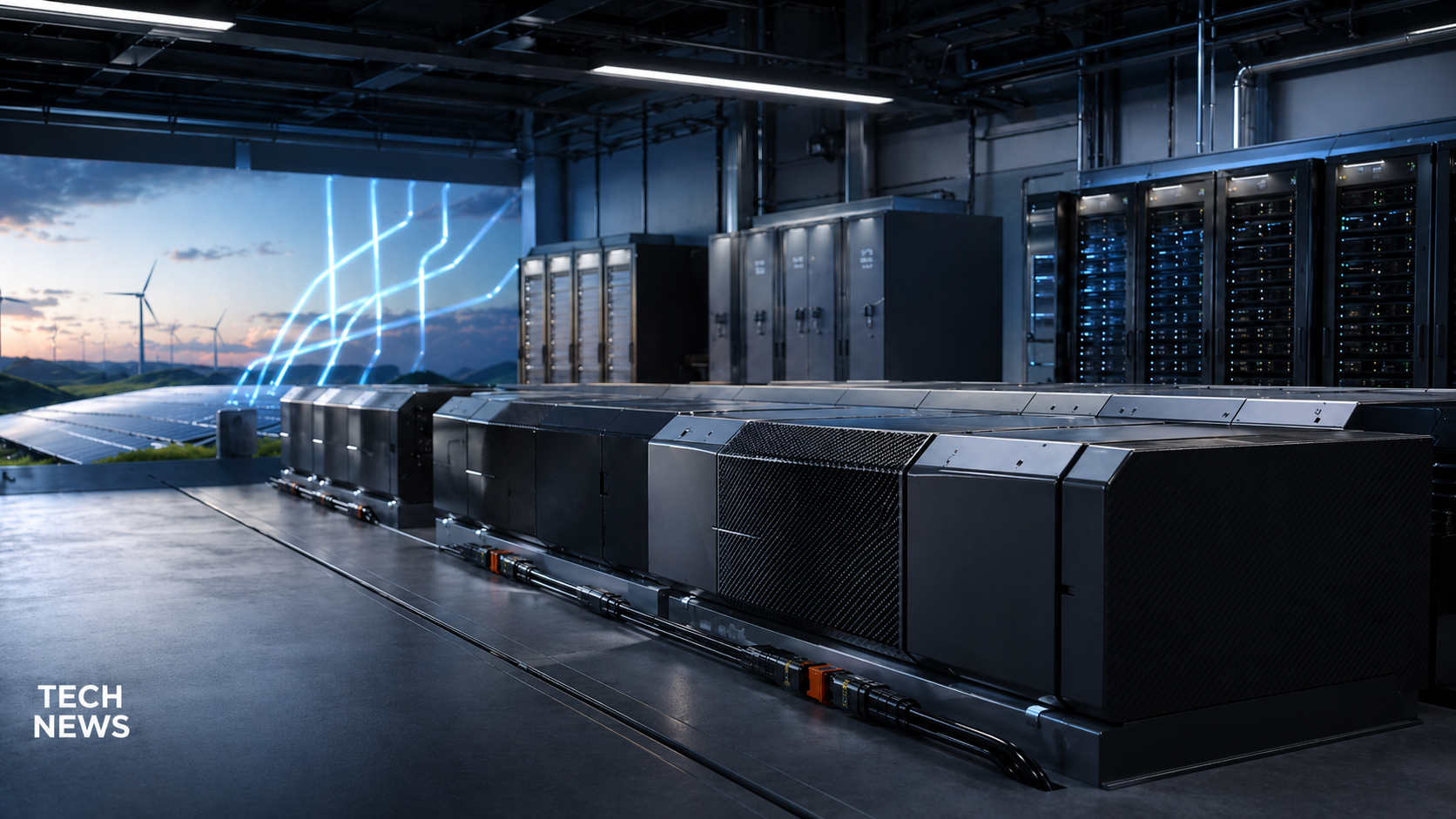
Training is the phase where organizations develop and refine large AI models, which requires massive pools of compute power, memory bandwidth, networking, and storage. Google states the TPU 8t chip is optimized for this demanding phase, with their latest superpod scaling up to 9,600 chips interconnected and offering two petabytes of shared high-bandwidth memory. The company reports this system delivers 121 exaflops of compute and nearly three times the compute performance per pod compared with the previous generation.
This specialization marks a strategic shift by Google to tailor infrastructure for the complex lifecycle of agentic AI applications.
Inference is the real-time execution phase, experienced by ordinary users when an AI assistant answers questions, summarizes content, drafts emails, generates code, or manages workflows. TPU 8i is designed to serve these inference workloads with low latency and support reinforcement learning tasks, featuring increased on-chip memory and architectural changes that reduce delays when many AI agents operate simultaneously. Google reports the chip achieves 80% better performance per dollar for inference workloads compared to its predecessor.
For everyday users, these new TPUs do not represent a consumer product but a cloud infrastructure enhancement that can influence the speed, reliability, capacity, and cost structure behind AI services integrated into productivity software, customer support systems, coding assistants, research tools, creative applications, and enterprise automation. Improved efficiency and performance at the infrastructure level may enable companies to deploy AI features that are more responsive and scalable, although this does not directly translate to lower prices for consumers.
The announcement also underscores a broader competitive landscape in cloud computing infrastructure. AI infrastructure is becoming a full-stack competition encompassing custom silicon, central processing units, networking, memory hierarchy, specialized software frameworks, advanced cooling solutions, and data center energy management. Both TPU 8t and TPU 8i operate alongside Google’s Axion Arm-based CPU host as part of the AI Hypercomputer architecture, an integrated system combining hardware, networking, storage, software, and orchestration optimized for agentic AI workloads.
Energy efficiency remains an important pressure point in AI infrastructure design. Google claims these new TPUs deliver up to twice the performance per watt versus the previous Ironwood TPU generation, supported by fourth-generation liquid cooling technology. While these are company statements without independent verification, they highlight the increasing importance of managing electricity use, cooling capacity, and physical constraints when operating dense, high-power AI data center systems.
Reuters confirmed the Google Cloud Next 2026 conference unveiling of TPU 8t and TPU 8i and reported on Google’s emphasis on AI agents as a central enterprise strategy. Executives described the chips as engineered for agent-based AI applications, framing them as core to Google's cloud business ambitions.
Some open questions remain regarding the pace of customer adoption, actual pricing structures in commercial deployments, and independent benchmarking against competitor hardware. Google plans general availability of both chips later in 2026, but broader market uptake and the impact on AI service costs for end users are yet to be seen.
Overall, the launch of TPU 8t and TPU 8i signals a growing trend toward specialization in AI infrastructure. Separating training from inference hardware provides organizations with tailored options to balance performance, cost, memory, and energy usage according to specific AI workload needs. For businesses developing AI-enabled products, these developments could lead to more efficient and scalable deployments. For everyday users, any visible benefits will depend on how these advances translate into faster, more reliable, and more accessible AI-powered services.