Vertical Data opened a New Delhi office to support AI infrastructure, GPU financing and data center activity as India draws more compute investment.
Vertical Data Inc. announced on April 27, 2026, the opening of a new office in New Delhi, India, aimed at establishing a regional base to support AI infrastructure development, GPU financing, and data center activity. This expansion places the company centrally within one of the world’s fastest-growing AI compute and data infrastructure markets. The office launch underlines the increasing importance of physical and financial infrastructure in enabling AI systems, beyond the software-centric narrative typically associated with artificial intelligence.
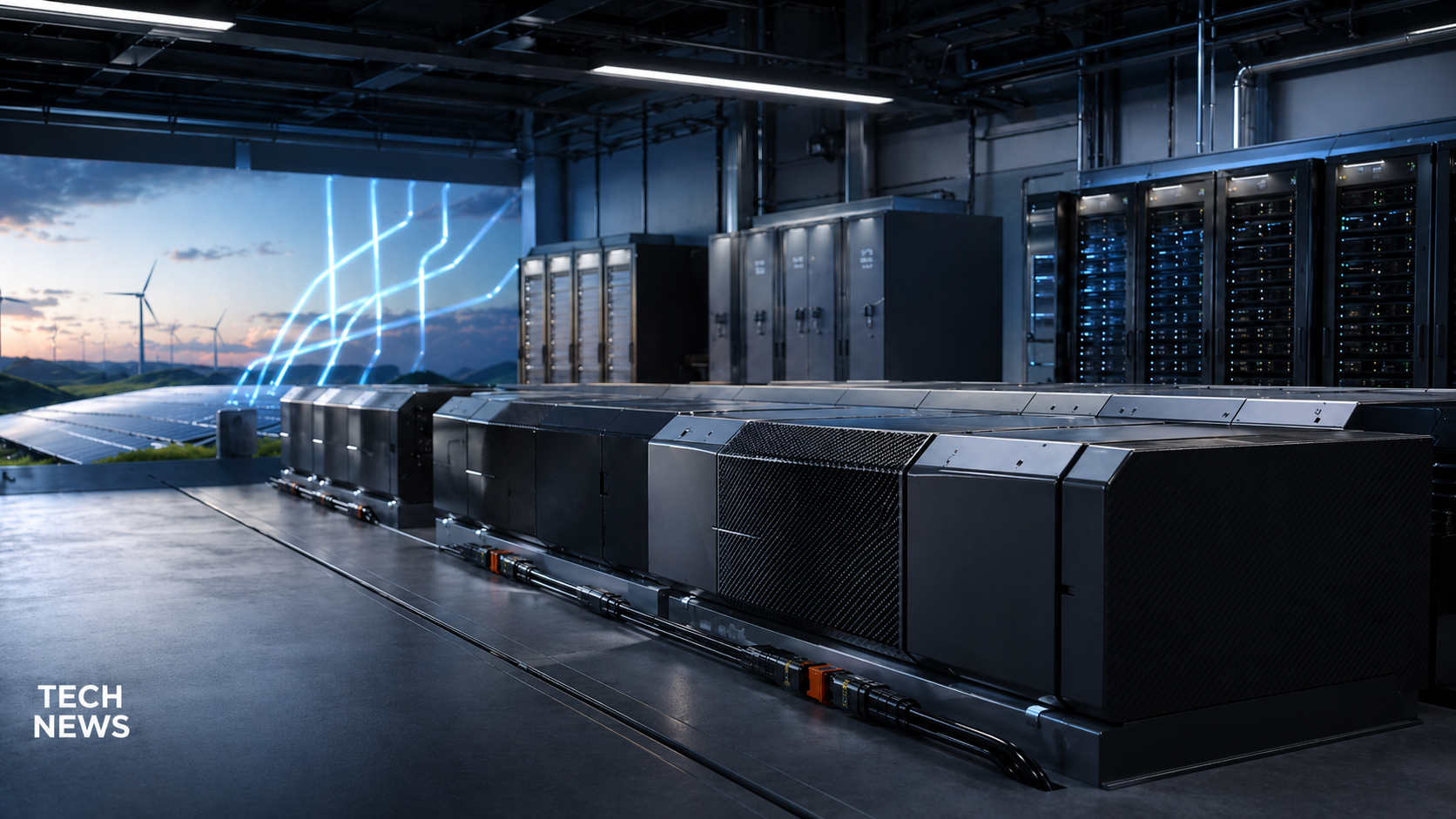
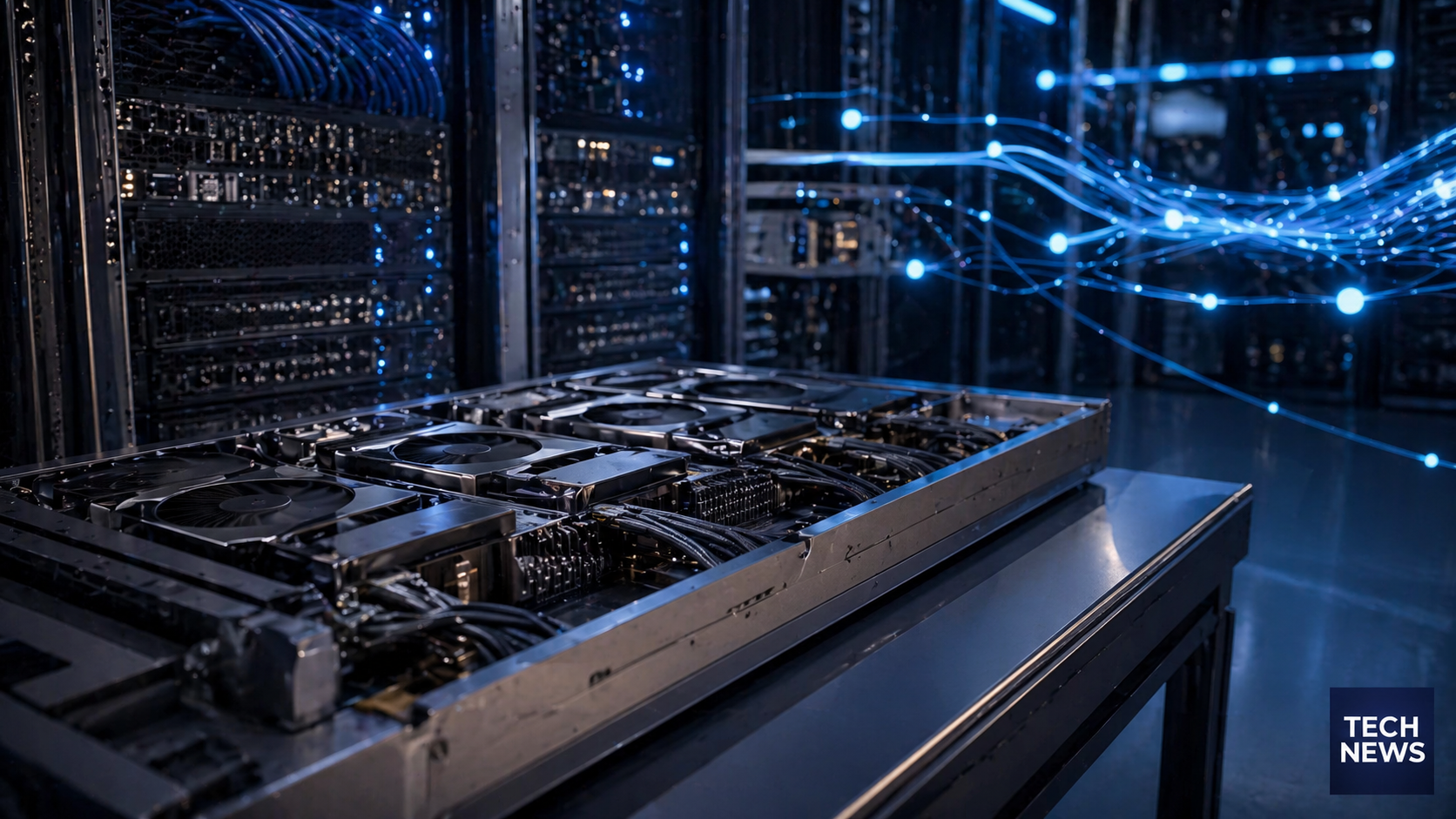
Companies seeking to train, fine-tune, or deploy AI models require reliable access to high-performance graphics processing units (GPUs), robust data centers, efficient power and cooling solutions, as well as specialized operational expertise. By establishing a presence in New Delhi, Vertical Data is positioning itself to participate actively in building the foundational layers of AI services in India, a market that is rapidly evolving from software-focused innovation towards integrated infrastructure capacity.
Vertical Data’s initial office in New Delhi will commence operations with a two-person team led by executives Ratan Kapoor and Dhanraj Misra. The focus areas include enterprise GPU deployments, data center development, public-sector AI infrastructure opportunities, and cultivating partnerships with Indian neocloud providers — a new category of cloud services optimized specifically around AI compute workloads rather than traditional general-purpose cloud offerings.
The move reflects the broader trend of AI infrastructure becoming more regionally diversified, as emerging markets develop dedicated resources instead of relying solely on established U.S. and Chinese hubs.
This initiative occurs within a broader national context. The Government of India has expanded shared AI compute infrastructure as part of the IndiaAI Mission, onboarding over 38,000 GPUs to a common compute facility accessible to startups, academic institutions, and other authorized users. This governmental approach to AI compute as public digital infrastructure underpins growing private sector interest in India not simply as an AI software market, but equally as an emergent ground for compute financing and data center development.
Market activity corroborates this momentum. In early 2026, various Indian and international corporations, including Reliance, Adani, Microsoft, TCS, and Nvidia-affiliated entities, announced significant investments in AI data infrastructure within India. For instance, Yotta Data Services intends to deploy over $2 billion in Nvidia Blackwell Ultra GPU technology for AI computing hubs centered in New Delhi and Mumbai. These investments contribute to reinforcing India's AI capabilities, emphasizing physical capacity near user bases to improve latency and service availability.
Vertical Data’s announcement focuses specifically on establishing a regional office and a local team rather than disclosing completed data center projects, customer contracts, or fixed deployment timelines. The company highlights that plans for development, financing, capacity expansion, and customer demand remain subject to market conditions, regulatory factors, and execution challenges. These cautionary notes reflect standard forward-looking statements typical for infrastructure deployments in emerging markets.
For Indian enterprises, the critical question is whether increased local infrastructure providers like Vertical Data can meaningfully lower barriers to accessing advanced AI compute resources. Many organizations aim to integrate AI into applications such as customer support automation, software development tools, analytics, logistics management, healthcare administration, and educational technology. However, the high cost and complexity of securing adequate GPU capacity have limited broader adoption. New financing models, coupled with managed infrastructure services and local data center partnerships, could enable more companies to move from experimental use to production-grade deployments.
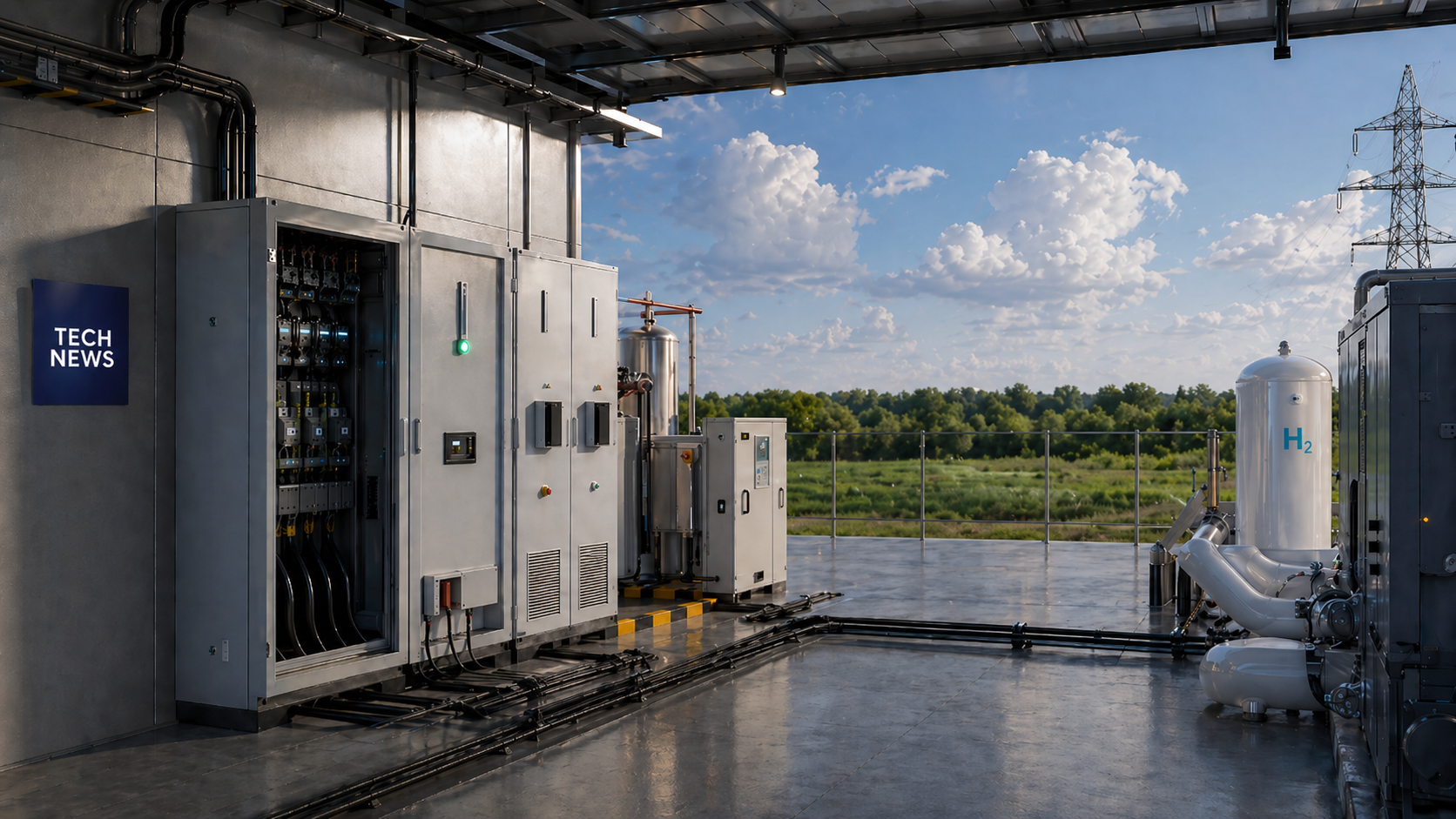
For end-users, the benefits from expanded regional AI infrastructure are indirect but significant. Increased local compute capacity promises faster AI-powered services, more sophisticated tools in regional languages, lower latency interactions, and richer applications across sectors. However, realizing these outcomes depends on several practical factors: stable power supply, effective cooling, reliable networking, financing conditions, data governance frameworks, environmental sustainability measures, and the ability of Indian businesses to convert infrastructure availability into innovative products and services.
The key open question is whether Vertical Data's New Delhi office will develop into a major operational hub supporting substantial AI infrastructure projects or remain an initial foothold establishing presence in the region. The announcement signals a strategic recognition that India is becoming a critical node in the global AI infrastructure landscape, moving beyond the dominant U.S. and Chinese markets to a more diverse, multipolar architecture. What remains to be observed is the scale of Vertical Data’s local market activity, the nature of enterprise and public sector customers it attracts, and whether its GPU financing-led business model effectively translates into tangible AI compute growth within India.